Health and Safety Policy — Business Waste Removal Gipsy Hill
 This Health and Safety Policy sets out the organisation's approach to safe operation for business waste removal and related services. The policy applies to all personnel involved in commercial waste removal, business rubbish clearance and associated activities, including subcontractors and temporary staff. Its purpose is to minimise risk, protect workers, clients and the public, and ensure compliance with applicable health and safety obligations. The policy prioritises risk assessment, safe systems of work, and continual improvement of safety performance.
All employees engaged in rubbish collection and waste transport must understand their responsibilities. Line managers are tasked with implementing safe work procedures and ensuring that staff receive appropriate training, personal protective equipment and supervision. Workers must follow instructions, use safety equipment, and report hazards or defects immediately. This policy emphasises clear communication, visible safety leadership and a culture where safety concerns can be raised without fear of reprisal.
 Scope covers the full range of commercial waste services supplied, from on-site collection and transfer to vehicle operation and depot activities. It applies to mixed waste, recyclable materials, bulky business waste and any specialist or hazardous items encountered during business waste removal in the service area. The organisation will not accept work it cannot complete safely; where hazards exceed controls, operations will be suspended until risks are reduced to an acceptable level.
The organisation will carry out and record systematic risk assessments for routine tasks such as manual handling, vehicle loading, lifting with mechanical aids, and interaction with clients on site. Risk assessments will identify hazards, evaluate likelihood and consequence, and specify control measures. Controls will follow the hierarchy of risk control: elimination, substitution, engineering controls, administrative controls and finally PPE. Assessments will be reviewed regularly and when there are changes to processes, equipment or legislation.
 Training and competence are critical. All staff will receive induction training specific to rubbish collection, safe handling of commercial waste, and emergency procedures. Refresher training and toolbox talks will be provided to maintain awareness of safe lifting techniques, correct use of compactors and hooks, secure vehicle loading, and segregation rules for recyclables and hazardous waste. Records of training and qualifications will be maintained and audited.
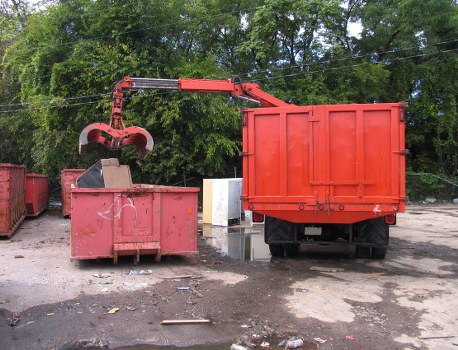
Safe equipment and vehicles form an essential part of this policy. Fleet and plant will be inspected daily, maintained to manufacturers' standards, and defects reported through a formal system. Drivers and operators must ensure loads are secured and weight limits respected. Loading/unloading areas will be kept tidy and sufficiently illuminated. Where mechanical lifting is used, operators must be competent and emergency stop systems must be operational.
Controls for hazardous or potentially hazardous materials are mandatory. Staff will follow safe segregation procedures to separate asbestos, batteries, solvents, contaminated soils and other regulated wastes. Any suspicion of hazardous materials triggers an immediate stop and escalation to a competent assessor. Waste handling will comply with duty of care principles and appropriate documentation will accompany controlled waste movements.
 Emergency planning includes first aid provision, incident reporting, spill response and evacuation procedures. The organisation will maintain an incident register and conduct timely investigations to identify root causes. Corrective actions will be implemented, and lessons learned will be shared across teams. All incidents, near misses and accidents must be reported promptly, and workers are encouraged to contribute to continuous improvement efforts.
 Monitoring and performance review will be carried out through periodic audits, workplace inspections and safety performance indicators. The policy includes a commitment to regular management review to ensure policies remain effective and up to date. Key performance measures include accident frequency, training completion rates, vehicle inspection compliance and the effectiveness of waste segregation. A documented review cycle will identify improvements and record changes in procedures.
The organisation will maintain a set of practical controls and standards, including but not limited to:
- Safe work procedures for manual handling, loading and operating equipment;
- Personal Protective Equipment standards and availability for all roles;
- Vehicle and plant maintenance schedules with pre-shift checks;
- Waste segregation protocols to reduce exposure to hazardous materials;
- Reporting and investigation systems for incidents and near misses.
Implementation of this policy supports a safe working environment for business rubbish services across the service area. The organisation aims to achieve compliance through clear leadership, training, documented procedures and active worker involvement. This policy is a living document and will be reviewed at regular intervals or following significant change. By prioritising safety, the company reinforces its commitment to responsible, professional and legally compliant commercial waste removal and rubbish collection activities.
Responsibilities and Review
Roles, Responsibilities and Continuous Improvement
Management will ensure resources are available to meet policy objectives. Supervisors will enforce safety standards day-to-day. Employees will work safely and report hazards. Together, the organisation will maintain transparent records and a robust review cycle to ensure the policy remains effective and aligned with statutory obligations and best practice for commercial waste removal and business waste management.
